


Your Name in Chinese: How Transliteration Actually Works
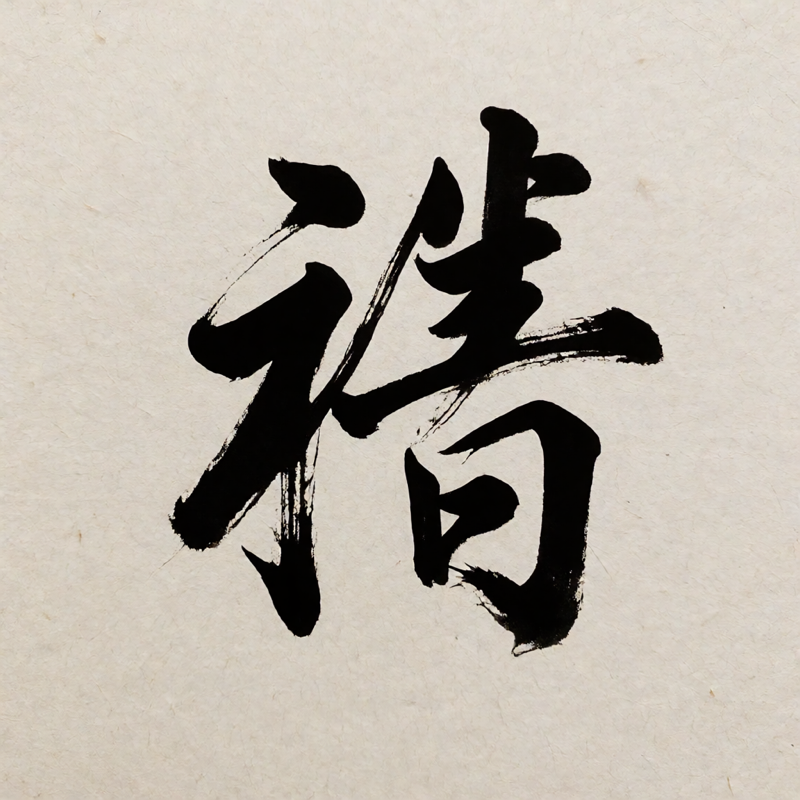
Search for your name in Chinese and you will find three or four different answers. None of them is wrong, which is the part that confuses people. Chinese does not transliterate the way Cyrillic or Latin scripts do, because Chinese writing does not represent sounds — it represents meanings. Every syllable you write has to be carried by a character that means something.
Why a direct conversion is impossible
When Russian is written in Latin letters, the sound is preserved and the meaning is irrelevant, because the letters have no meaning of their own. Chinese characters are the opposite: each one is a word. Writing "Sarah" as 莎拉 uses two characters that mean "sedge" and "pull" — harmless together, but chosen for their sound, not their sense.
That is why transliteration into Chinese is always a compromise. You are converting a sound into a system that keeps score of meaning, and something has to give.
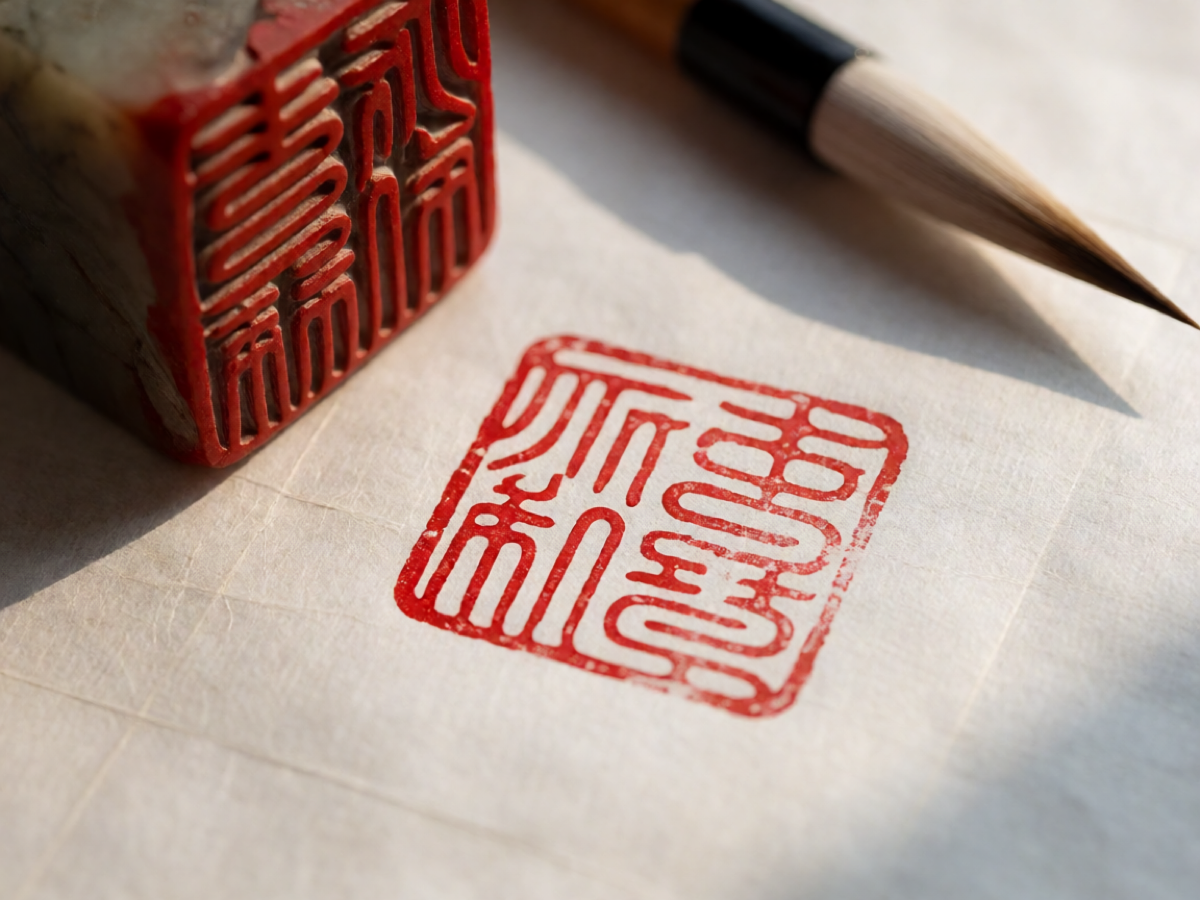
The three approaches
- Sound-first. Pick characters that approximate the syllables and read cleanly, accepting that the literal meaning is arbitrary. This is what most official transliterations do.
- Meaning-first. Choose characters with meanings you want attached to you, and accept that the result sounds less like your original name.
- Balanced. A close sound match, with the individual characters chosen so their meanings sit well together. This is what most naming services produce, and it is the hardest to do well.
What has to be true of any version
Whatever method is used, a usable Chinese name has to pass a few tests:
- It reads as a name. Some character combinations are grammatically fine and simply never used as a name, in the same way "Table" is a valid English word but not a name.
- It has no unfortunate homophone. Characters are checked aloud, because a written version that looks elegant can sound absurd.
- It is workable with a surname. Once you put a family name in front, the rhythm of the whole changes.
- It is recognisable in writing. Characters so rare that people cannot read them are a practical problem for the person carrying the name.
Where your surname fits
Family names are usually transliterated by sound using a small set of established characters — the same way Chinese names appear in English as Wang, Li or Chen. Personal name characters have far more freedom, which is why two people with the same surname can end up with entirely different second and third characters.
If your family already has a Chinese surname in use, keep it. Consistency across a family is worth more than a marginally better phonetic match.
What to check before you settle on one
- Say the whole name aloud, surname first, several times.
- Ask whether any character could be misread.
- Check how the characters look side by side, not one at a time.
- Confirm the characters are actually used in names rather than only in literature.
A Chinese name is not a translation of your name. It is a name that has to work in Chinese — and if it does, the fact that it sounds close to your original is a bonus rather than the point.