

How We Choose Your Chinese Name
We start from sound
Two people can share a name and still want different characters, so the first question is not "what does it mean" but "how does it sound". We ask how you say your name, where the stress falls, and whether there is a shorter form you actually use. A Chinese name has to survive being said aloud in a bank queue, not just printed on a card.
Then we look for meaning
With the sound fixed, we look for characters that carry a meaning you would want attached to you — steadiness, clarity, something that grows. We work from the sound outward because the opposite direction produces names that read well and sound like nothing.
We avoid three things
- Unfortunate homophones. A character can be perfectly fine on paper and embarrassing when spoken.
- Names that are technically correct but never used. A character nobody else has is not distinctive; it is a spelling problem for the rest of your life.
- Trend words. Whatever is fashionable this year will date the name in ten.
Two candidates, not one
We always send two options with the reasoning for each, so you can compare rather than accept or reject. Both are checked for sound, meaning, written balance and how they look in a formal script.
Then it is written
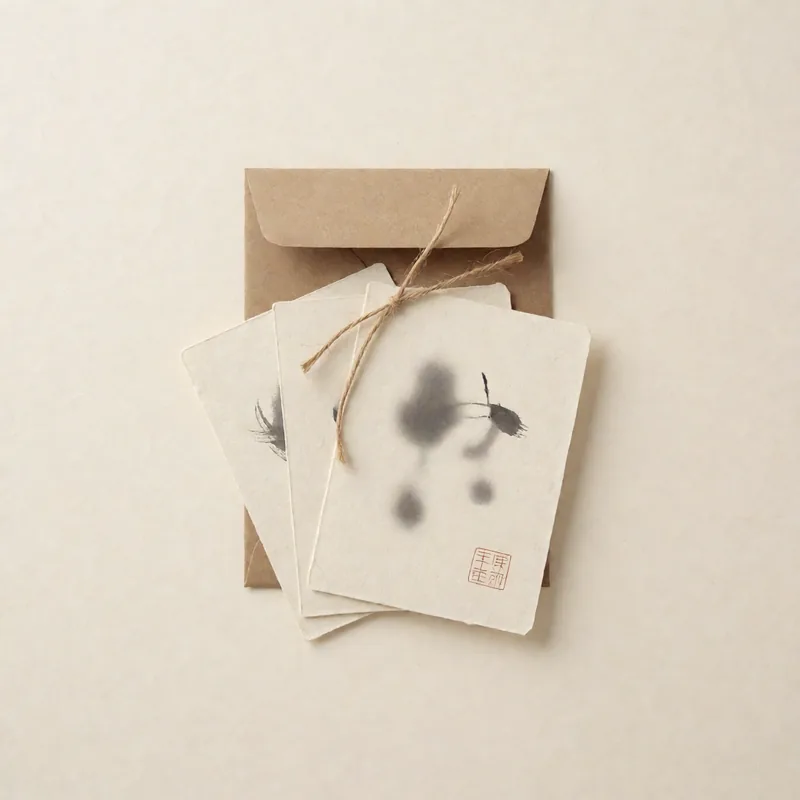
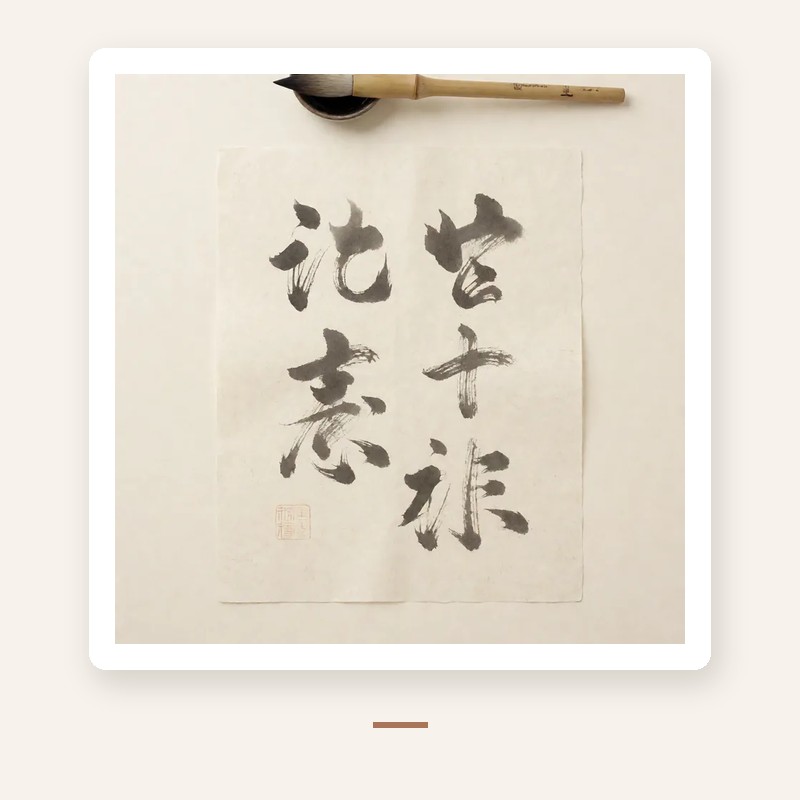
Once you choose, the name goes into production: brush or digital calligraphy, and a seal if you ordered one. Two revisions are included before anything is cut or printed, because the moment a name is carved into stone there is no second buyer for it.
What we ask you
The name as you use it, how you would like it to feel, and any family context you want reflected. If you do not know the recipient well — a common situation with gifts — tell us what you do know and we will work from that instead of asking you to invent details.
What we do not do
We do not present a name as lucky, and we do not calculate fortunes. A name is a decision about language and identity; that is already enough to get right.