

Seal Script to Regular Script: Reading the Characters on a Name Seal
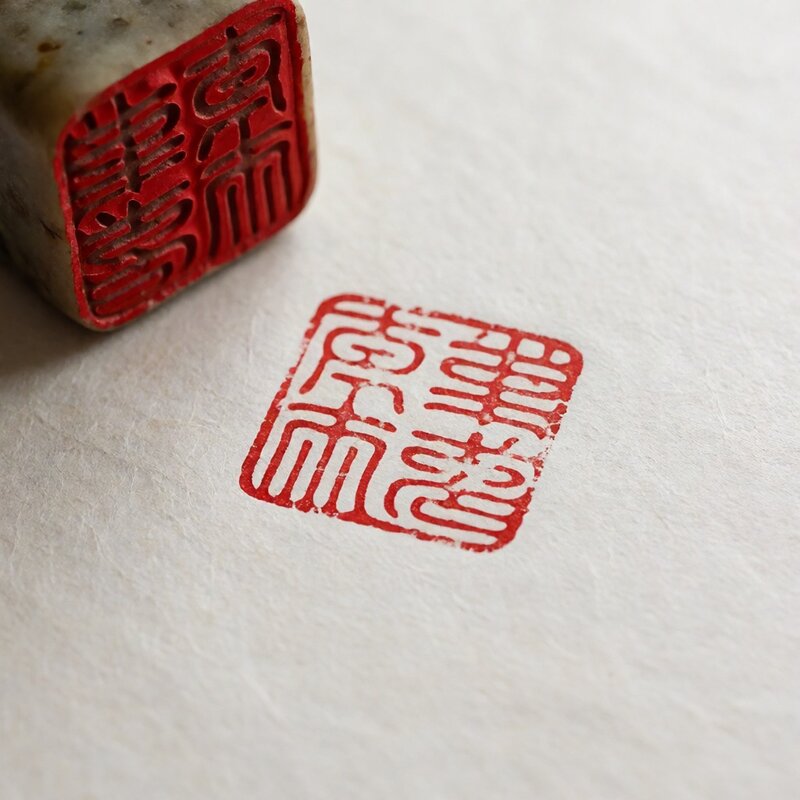
The first time most people look at a name seal, they cannot read it. The characters look ancient, rounded and slightly alien, nothing like the forms they learned to recognise. That is because almost all Chinese name seals are cut in seal script, a style that predates the modern character shapes by more than two thousand years.
What seal script is
Seal script, or zhuan shu, is the oldest standardised form of Chinese writing still in regular use. It was codified in the Qin dynasty and designed for carving rather than brushing. Strokes are even in thickness, curves are smooth, and each character is taller than it is wide. Because it was made for incised marks, it transfers directly onto a stone face.
Seal script against clerical and regular script
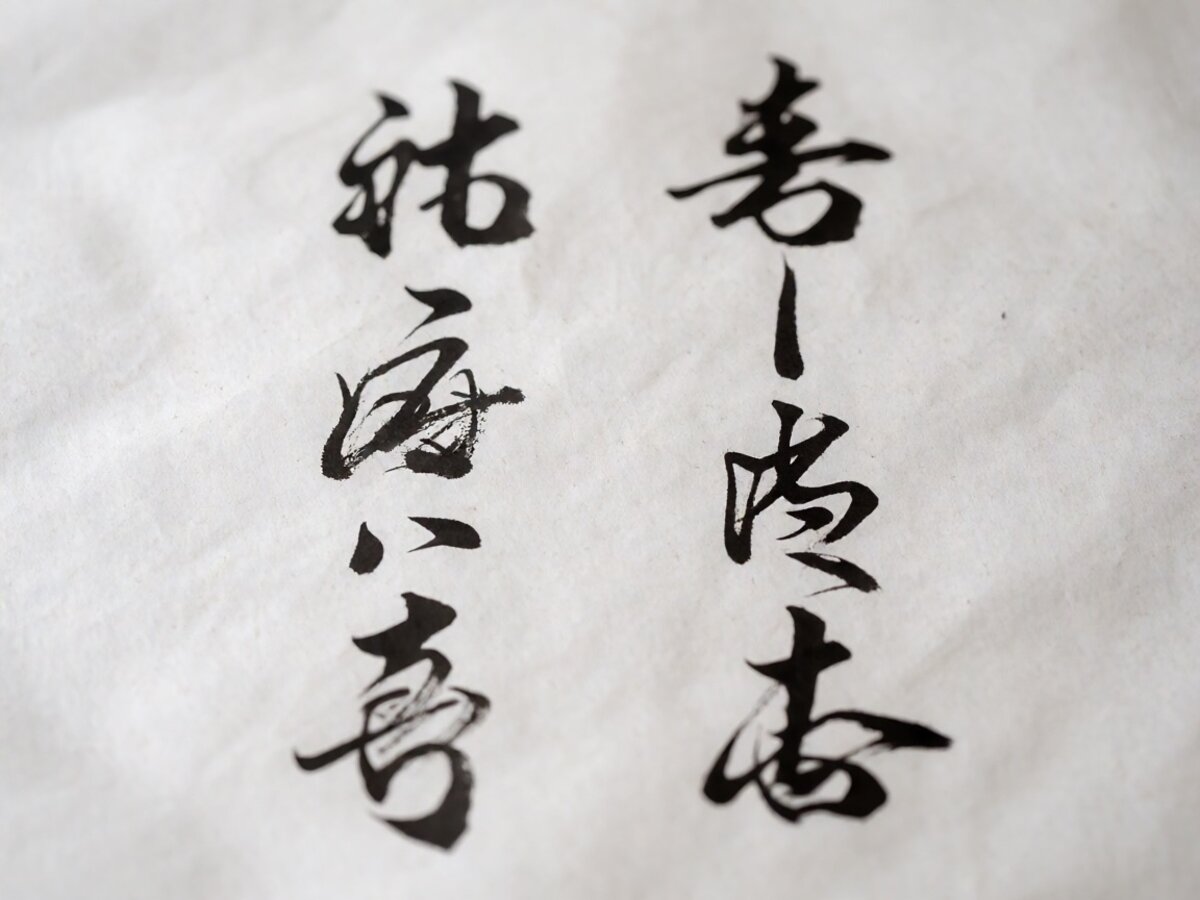
Three scripts appear on seals, and each sends a different signal:
- Seal script (zhuan shu) — the default for personal names. Traditional, formal, and legible at small sizes.
- Clerical script (li shu) — flatter and wider, with a distinct flare at the end of some strokes. It reads as older and more calligraphic than regular script.
- Regular script (kai shu) — the modern printed form. Instantly legible, but it can look plain on a small face.
Most name seals use seal script because it fills a square face evenly and holds up when the seal is only 15 mm across.
Reading an impression
Two details trip people up. First, seal impressions are usually read right to left and top to bottom, the opposite of how modern Chinese is printed. Second, seals come in two forms: zhu wen, where the characters stand proud and print red, and bai wen, where the characters are cut away so the paper shows through in white. The same characters look quite different in each.
If you are trying to read a seal, start by finding the character that matches the surname. Once you have that anchor, the given name usually follows in the next position.
Choosing the script for a new seal
Seal script is the safe choice for a name. If you are having a phrase carved, a studio name, a motto or a chengyu, clerical script can add movement, and regular script can be a deliberate modern choice. What matters is that the script suits the stone and the size of the face, because very fine detail in a small seal will clog with ink however well it is carved.
A seal is meant to be read for decades. Choose the script you will still be happy to stamp onto a letter in twenty years.