


Choosing a Chinese Name: Sound, Meaning and Character
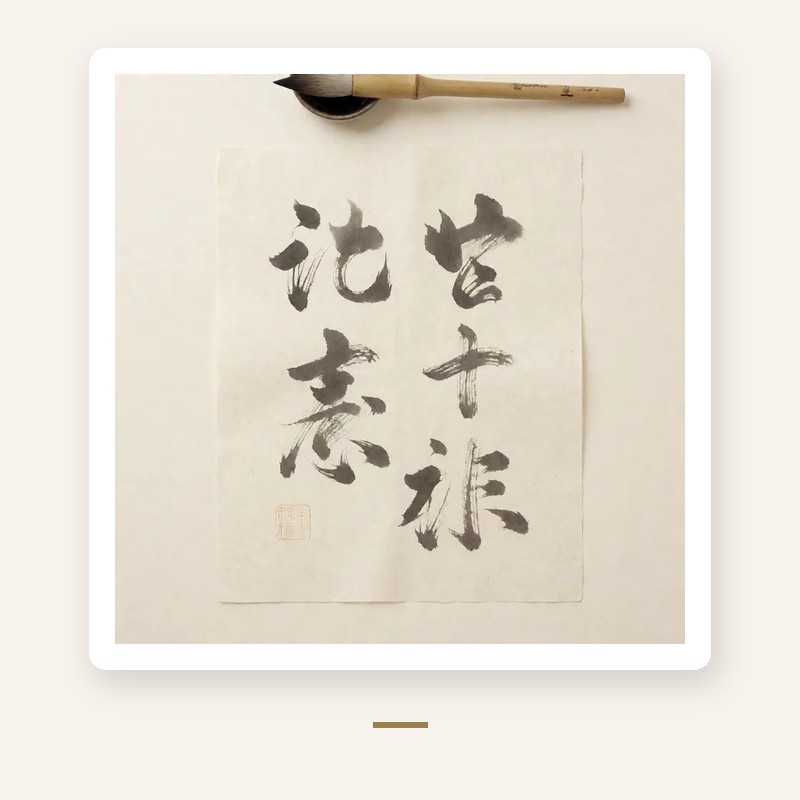
People often ask for the Chinese version of their name, expecting a direct swap. Chinese naming does not really work that way. A name is chosen for what it means and how it sounds, and the starting point is usually the person rather than the English syllables.
Sound comes first, and tone is part of it
Chinese is tonal. The same syllable said in a different tone is a different word. A combination that looks elegant on paper can sound clumsy or, worse, land on an unfortunate homophone when spoken.
This is why a name that reads well is not automatically a name that works. It has to be said aloud, in a sentence, by someone who is not thinking about it.
Every character carries meaning
Each character contributes its own sense: light, clarity, jade, orchid, calm, a season, a quality of character. Two characters together produce a third impression, and the pairing is what makes a name feel considered rather than assembled.
Some characters are common in names and some are avoided. Characters associated with illness, parting or loss are generally not chosen, however elegant they look in isolation.
Balance between the characters
Names are assessed for balance — whether the strokes sit well together, whether the tones rise and fall pleasantly, whether the two characters feel like a pair. In some traditions the five elements are considered as well, and the choice is adjusted to complement the birth date.
None of this is a hard rule. It is more like choosing a chord that resolves.
How much of your own name should survive
Some people want the sound preserved, so the Chinese name echoes the English one. Others want the meaning, so a name meaning light becomes a character for light. Most workable results take one of those routes rather than trying to keep everything.
Trying to preserve sound, meaning and initials at once produces names that do neither job well.
Practical checks before you commit
- Say it out loud several times, and have someone else say it back.
- Check the characters are not obscure enough to cause problems on forms.
- Check the name does not collide with a well-known brand, slogan or unfortunate phrase.
- Ask what the name means as a whole, not just character by character.
A Chinese name is used constantly: on documents, at work, on a name card, when someone calls across a room. The best test is whether it still sounds right the fiftieth time you hear it.