

Chinese Name Seals: What a Chop Is and How It Is Used
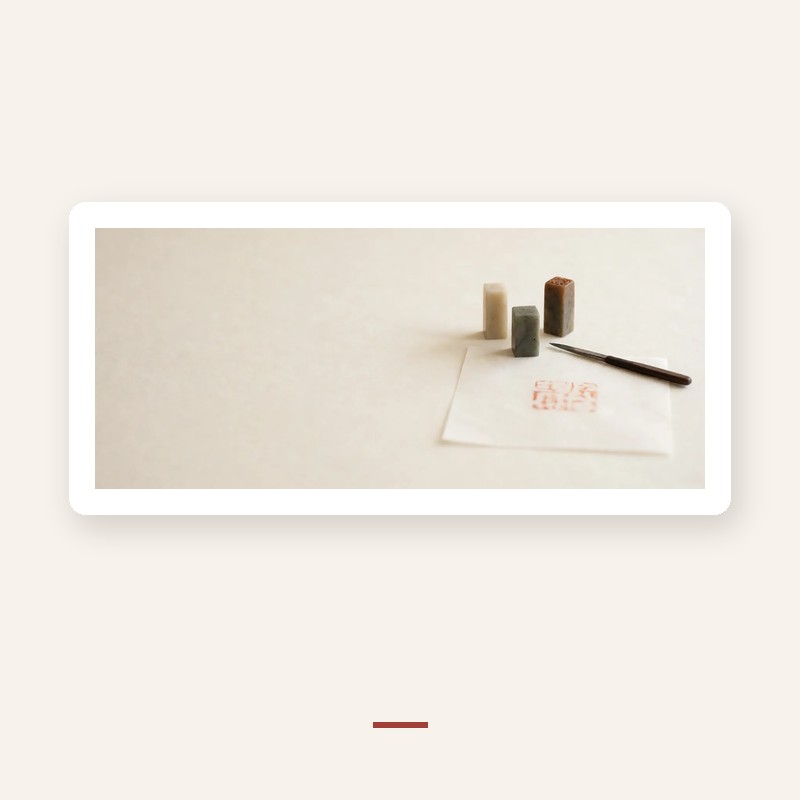
A Chinese seal, often called a chop in English, is a small carved block pressed into red paste and stamped onto paper. The characters come out in reverse of the carving, so cutting one means carving a mirror image.
What it is for
A seal marks identity or ownership. On a document it does the work a signature does elsewhere. On a painting or a piece of calligraphy it marks authorship, and often more than that: a work may carry the artist's name seal plus one or more seals added by later collectors.
This is why seals appear in unexpected places on old paintings. The one in the corner is often not the artist's.
Stone, and why
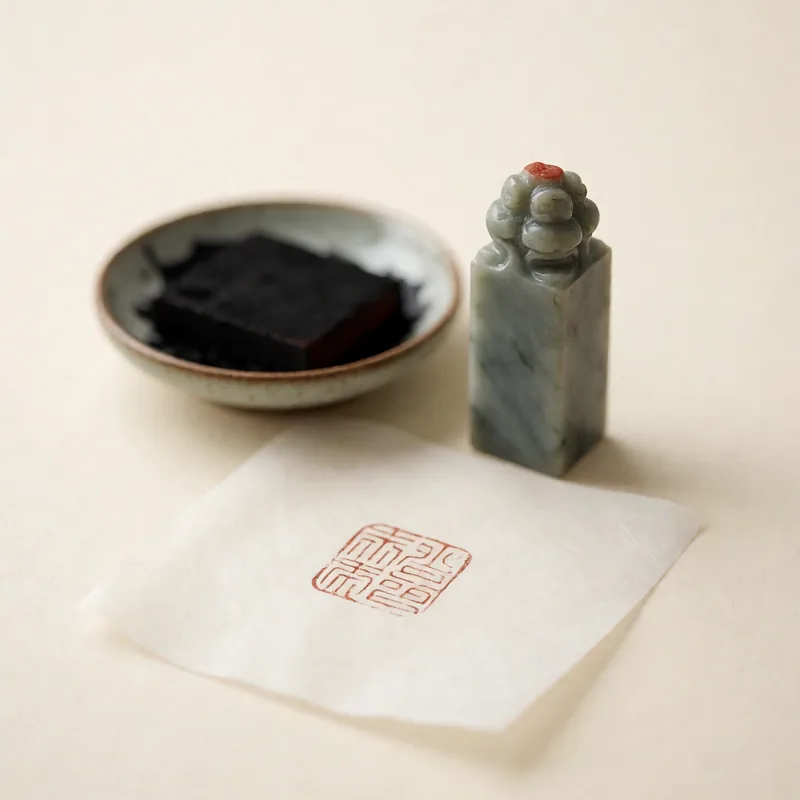
Most seals are cut from soft stone such as soapstone, which is workable with hand tools but durable enough to last. The stone is chosen as much for how it cuts as for appearance, though the colour and pattern of the stone is part of why people collect them.
Two ways of cutting
The seal is normally cut in one of two ways. In the first, the characters are carved away and the surrounding surface prints, leaving white characters on a red ground. In the second, the characters are left standing, so they print red on white.
Seal script, the ancient style still used for carving, is not what most people read day to day. Even Chinese readers often need a moment to pick the characters out, which is why a seal comes with an explanation of what it says.
Red paste, not ink
Seals are pressed into a cinnabar-based paste, not ordinary ink. The paste is thick and slightly sticky. Press too hard or rock the seal and the print blurs; press evenly and it comes out clean.
Good paste matters more than a beginner expects. Cheap paste dries out and prints unevenly, which makes a well-cut seal look bad.
Where it goes
On a document, a seal usually goes over or beside the name, and on an official paper it may be placed across the join of two pages to prevent substitution. On calligraphy, the seal sits below the signature or in a corner, and the position is considered part of the composition.
Looking after one
Wipe the face after use. Do not wash a stone seal in water or leave paste on it for months, because both will damage the surface over time. Keep it away from direct sun and heat, and store it so the face is not knocked.